(Please note: This blog post refers to interviews undertaken between May 26-31, 2024)
As I headed to England’s North East this week, my colleagues back in Australia launched the Marlinja Community Microgrid; Australia’s first First Nations owned, grid connected community microgrid. It has been an absolute honour to be part of the team working alongside Marlinja residents to push through considerable barriers that ultimately help ensure energy vulnerable households can participate in and benefit from the energy transition according to their own aspirations.
Not only are Marlinja households set to considerably reduce their cost of energy and rate of ‘voluntary disconnections’ on the Northern Territory’s prepay meter program, but community members are already thinking about ways cheaper energy can help unlock economic development and improve local productivity.
Experiencing the famed British rail network on this trip laid out one of the most visible and ongoing lessons of ownership and design of infrastructure and its impact on the economic and social vitality of communities. Regardless of sector or scale, as the shape and form of communities and technologies evolve how adaptive is our design thinking in its ability (or willingness) to truly address the outcomes communities and customers value?
The Who’s Who of Week 3
After a brief stop over in London to recharge and catch up on my work at Original Power, Week 3 led me to interviews in Leeds and Newcastle-Upon-Tyne with:
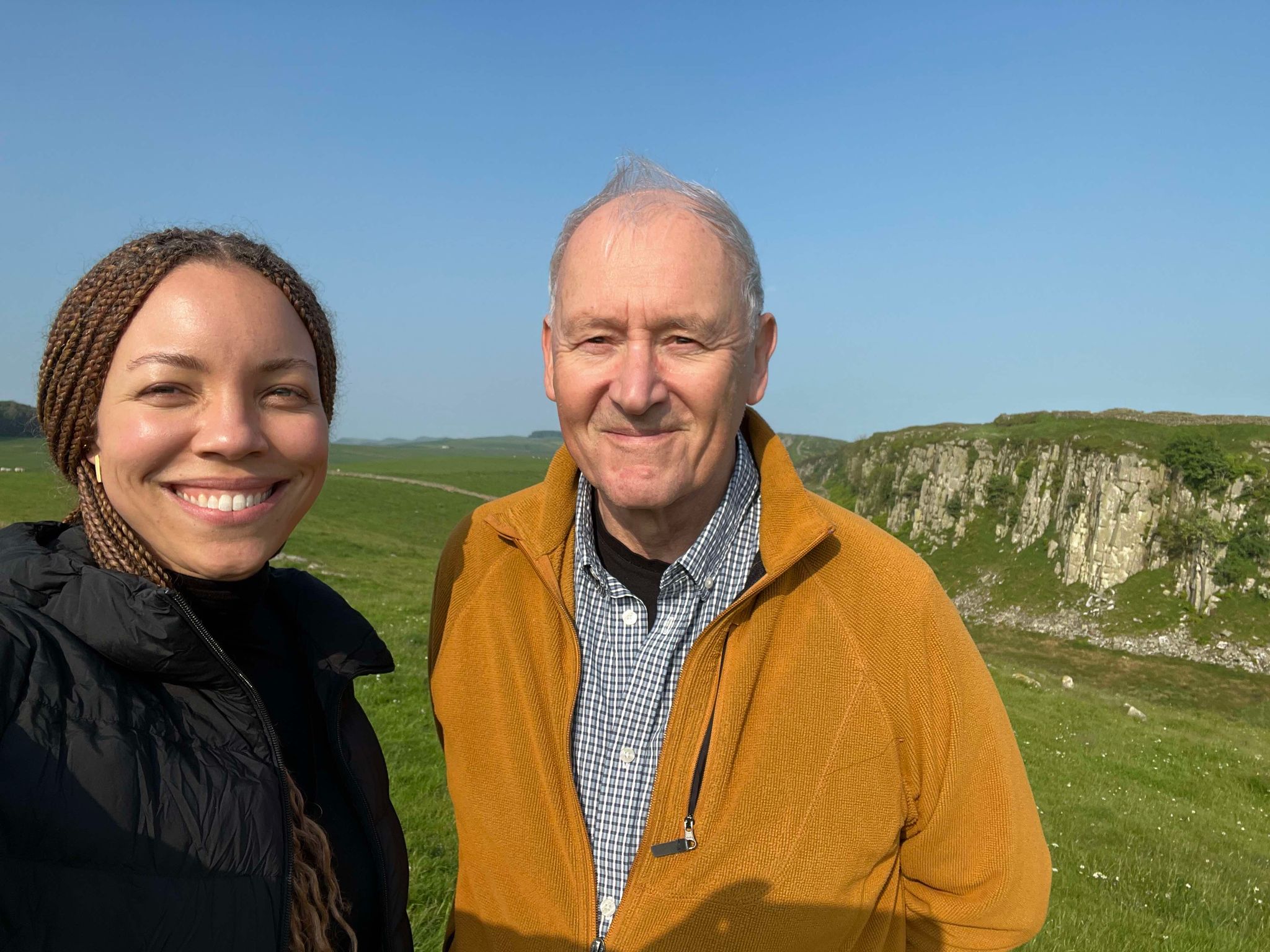
In the spirit of famed and enduring infrastructure in England I finished the week with a tour of Hadrian’s Wall with David Green, a wonderful supporter of my journey so far and Gill’s partner.
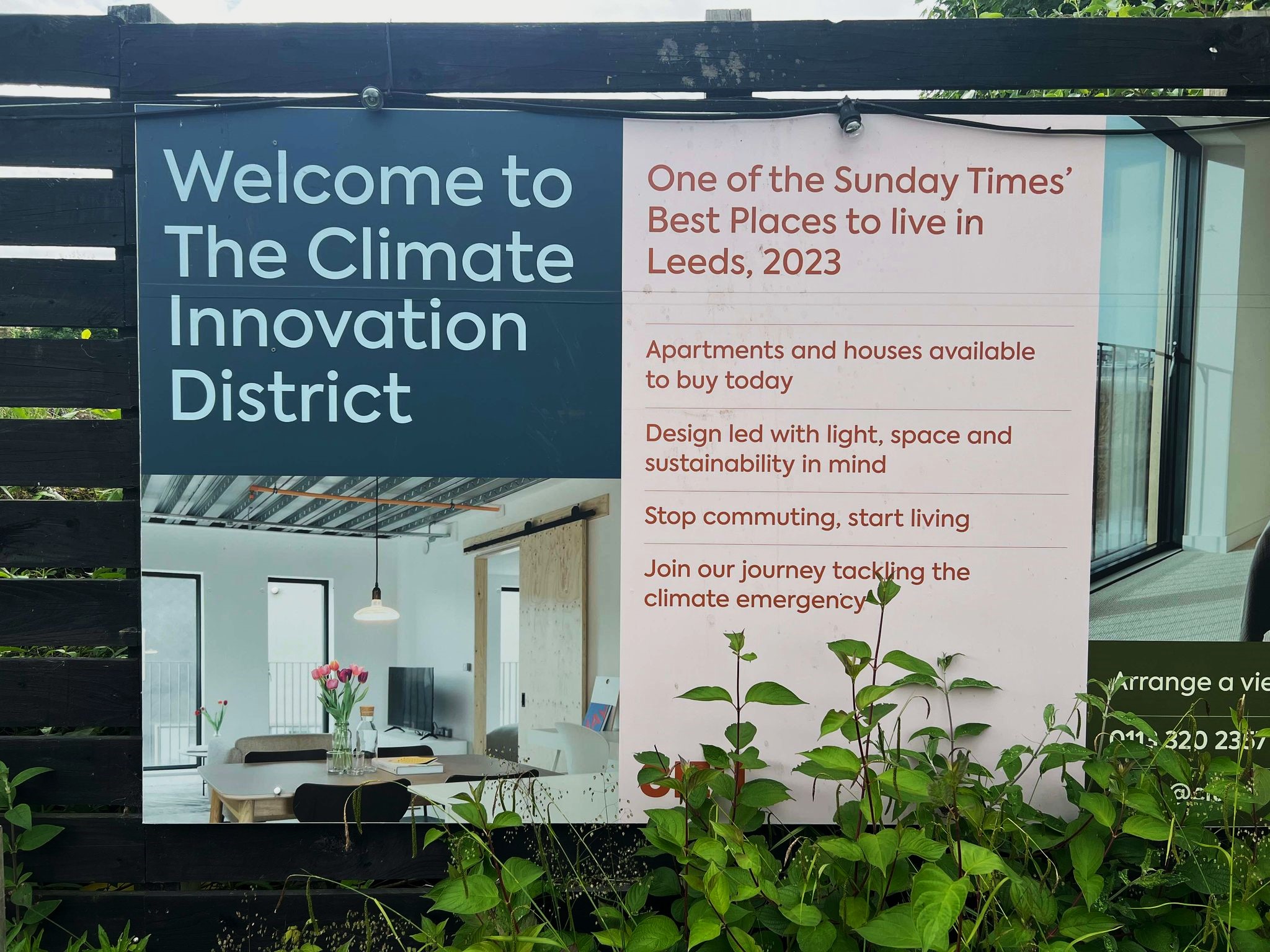
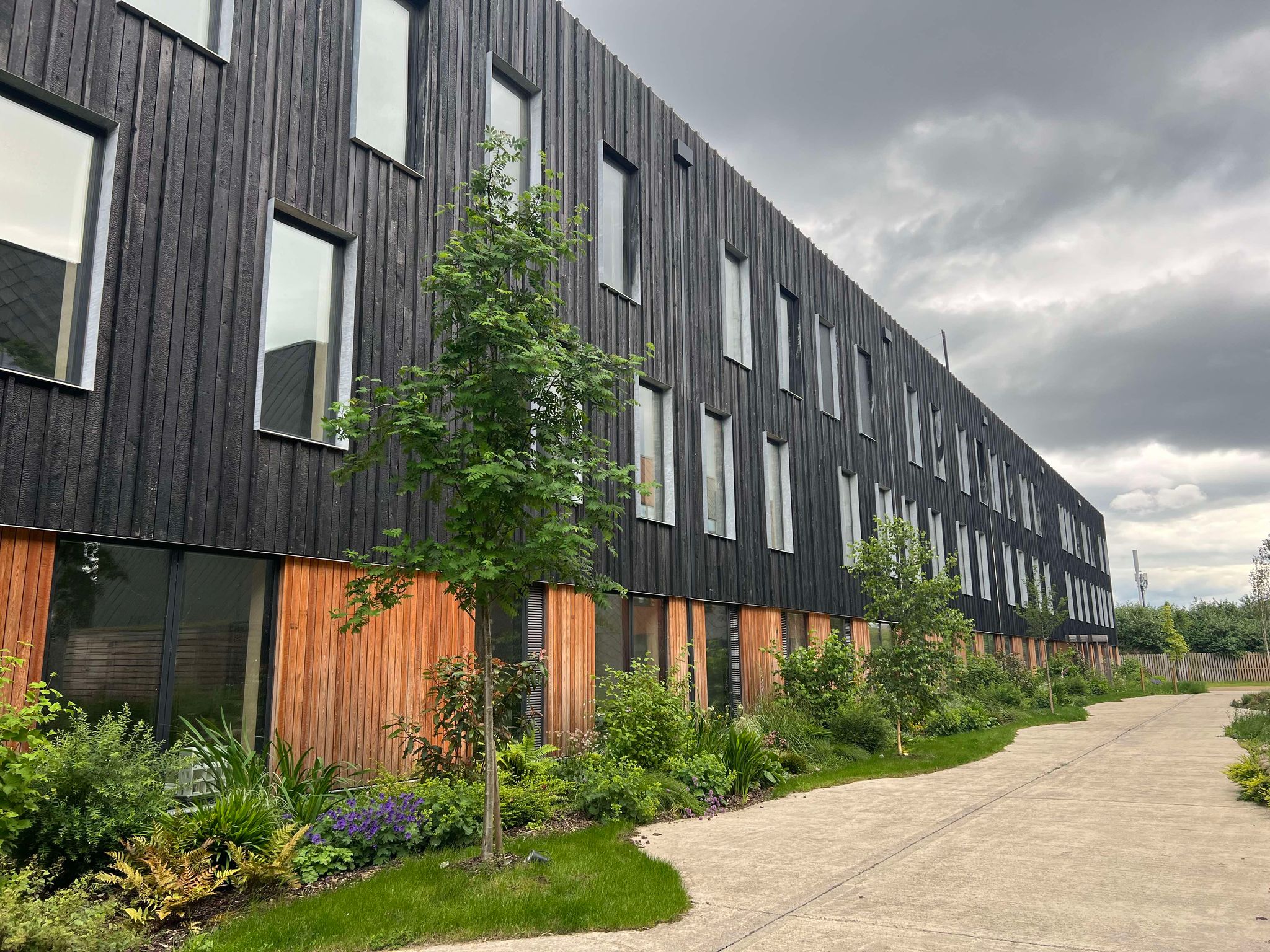
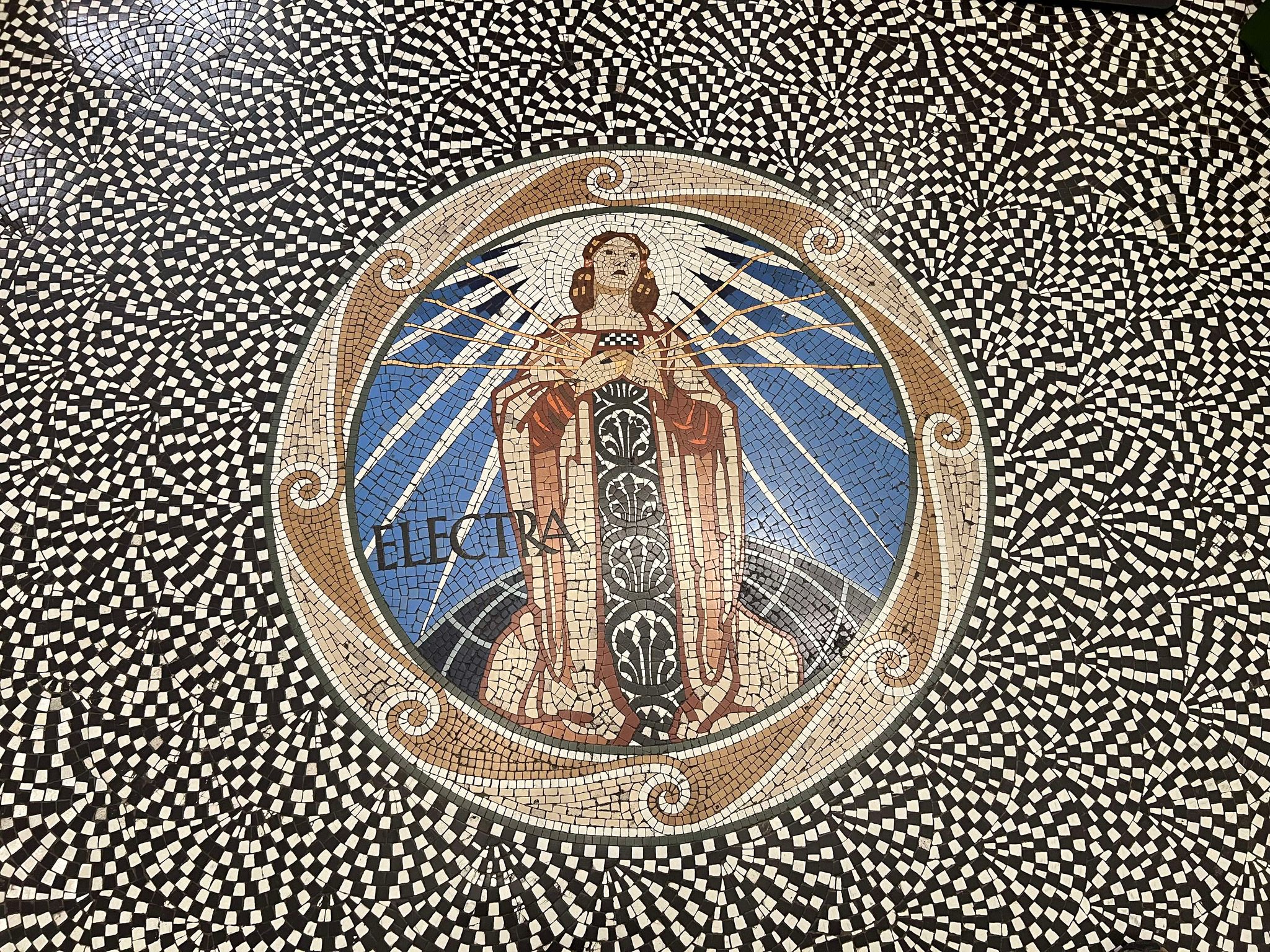
Images below (L to R): images 1-3 from an impromptu tour of Citu’s low carbon homes at Leeds’ Climate innovation Hub, mosaic of Electra in the lobby of Millburn House in Newcastle (c. 1902) which was then considered a sophisticated and innovative electrified office suite, Tyne Bridge aka Sydney Harbour Bridge’s prototype, and David and I at Hadrian’s Wall.


5 Key Reflections from Week 3
- Some utilities understand their operational transition from a Distribution Network Operator (DNO) to a Distribution System Operator (DSO) is a considerable one that requires comprehensive strategic review now. However, the appetite for innovation across utilities is deeply varied with a market driven overlay to decision making. Some utilities will remain business as usual until required to act otherwise.
- Despite the more privatised lens in UK energy markets, I was floored to hear a utility share that community and consumer autonomy is the leading indicator of how future products and services should be designed internally. It was an important indicator to remaining a fit for purpose business. The role of flexible markets and design on smart grids appears to be a leading vision for the more innovative DNOs. Democratisation is recognised as a desired outcome and the modernisation of distribution is seen by one utility as an opportunity for new value creation and benefit from the bottom up.
- There is a framing among some utilities that energy markets must be impartial to participant types, remain tech agnostic, and customer focussed. Based on various responses, customer-based design could look like a change from an asset based business model to a performance based business model for DNOs, or a blend of both.
- One respondent staunchly asserted that publicly owned utilities, especially in the transition, must gear its objectives to people above all else. The emergence of prosumers has given a human face to the transition that utilities and regulators cannot afford to side line.
- UK’s existing federal policy infrastructure helps ensure measuring and reporting requirements for fuel poverty, including prepay meter customer experiences. This can play a substantial role in identifying fit for purpose solutions to fuel poverty and energy services to vulnerable customers, especially when coupled with regulatory requirements to ensure a “fair and affordable transition” for low income customers. Reporting has been important amidst the UK’s energy crisis, giving advocates ground truthed information to highlight the depth and breadth of poverty and the large expense to service customer energy debt. It is a baseline of transparency and good governance missing from Australia’s landscape, especially with no formal energy customer peak body to advocate for customer interests.
Recommended Reading for the Week
Northern Powergrid’s Community DSO innovation project explainer and Flexibility Services.
Where to Next?
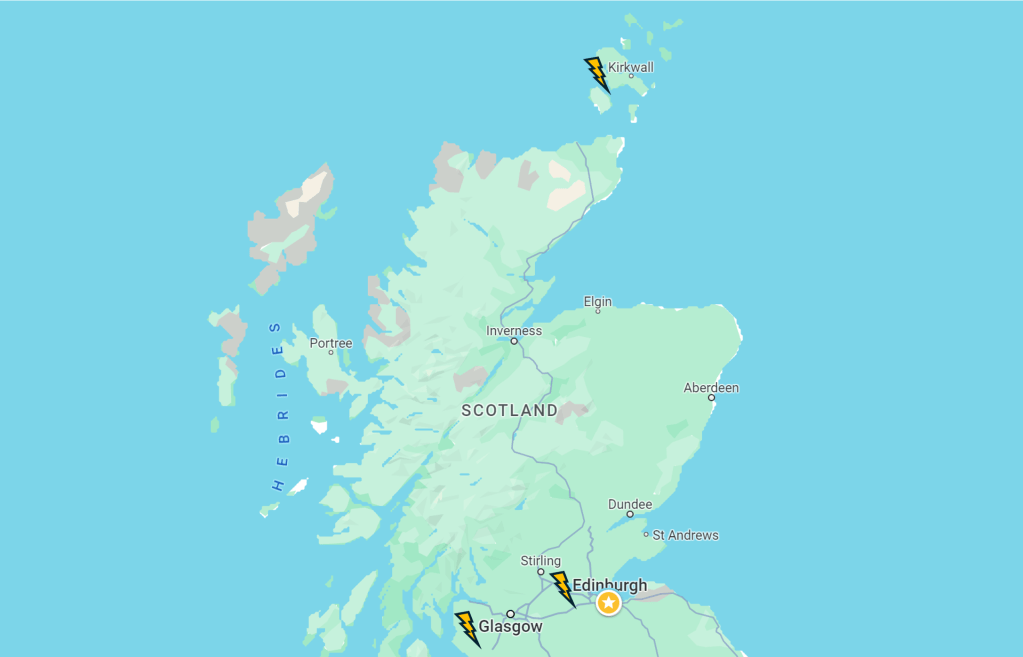
Week 4 will pick up the pace again with 8 interviews scheduled across Edinburgh, Glasgow, and a quick overnight trip to Orkney.


 Power Exchange
Leave a comment