Last week’s meetings with the Shadow Energy Security Minister and PRASEG could not have been a better-timed political briefing, as days later we had a sodden UK national election announcement!
With the national political overlay in mind, I travelled the South West region of England where local mandates on Net Zero rang clearly. More than 300 councils have declared a climate emergency and net zero capacity building is in full swing.
At the national level however, the narrative wedge between net zero and the cost of living undermines the local resourcing to uphold the aspirations of communities. While institutions and infrastructure play a significant role in defining communities of geography, the state of the energy transition in the UK reveals its tension with the influence and desires held by communities of interest.
Seeing infrastructure originally designated to energy over a century ago, being repurposed in and by communities just reasserts the local importance of national investments and how enduring, for better or worse, their legacies may be.
The Who’s Who of Week 2
Week 2 took me to Truro (Cornwall region), Bristol, and Oxford and included interviews with:
- Cornwall Local Energy Market project stakeholders
- Cornwall Council
- Bristol Energy Co-operative
- CEPRO/Microgrid Foundry
- Academics focusing on energy justice and community energy
- Low Carbon Hub and Project LEO
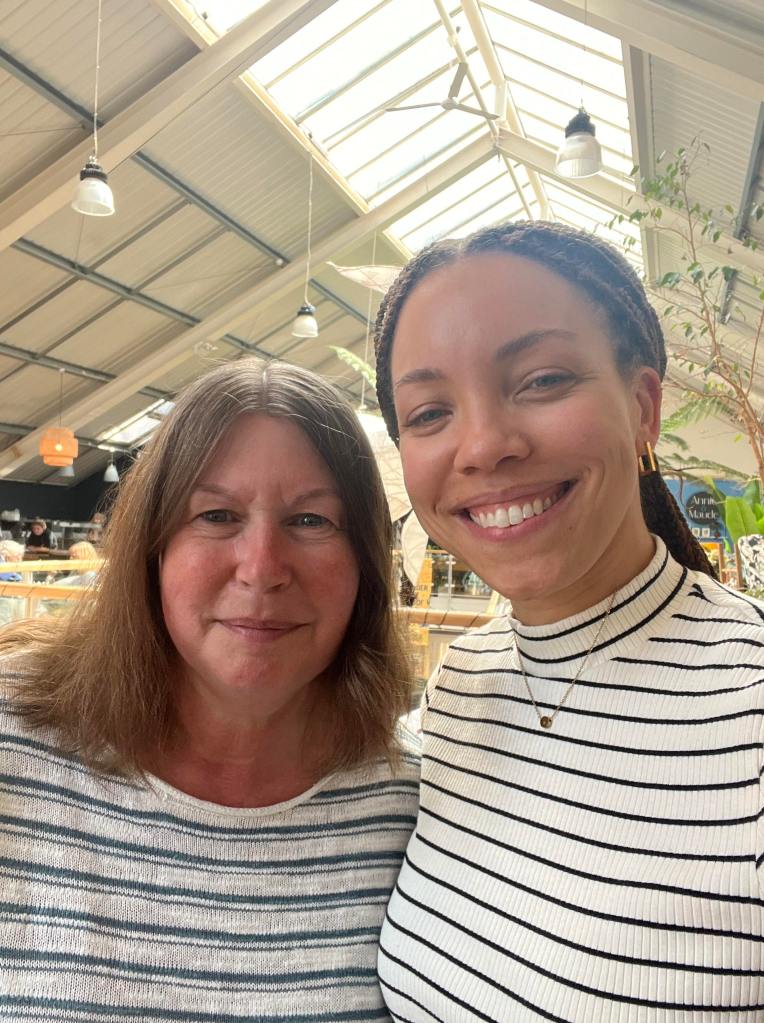
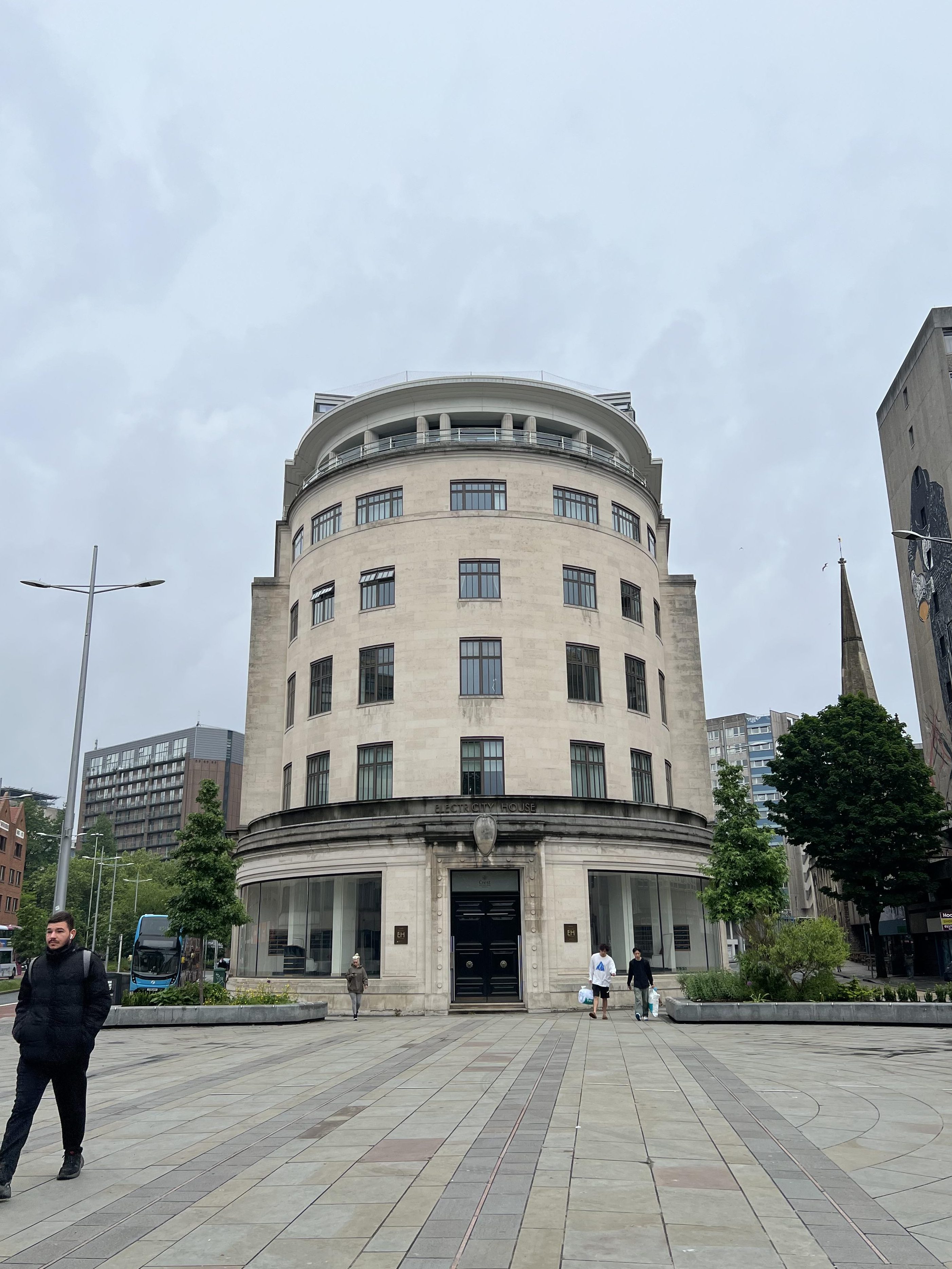
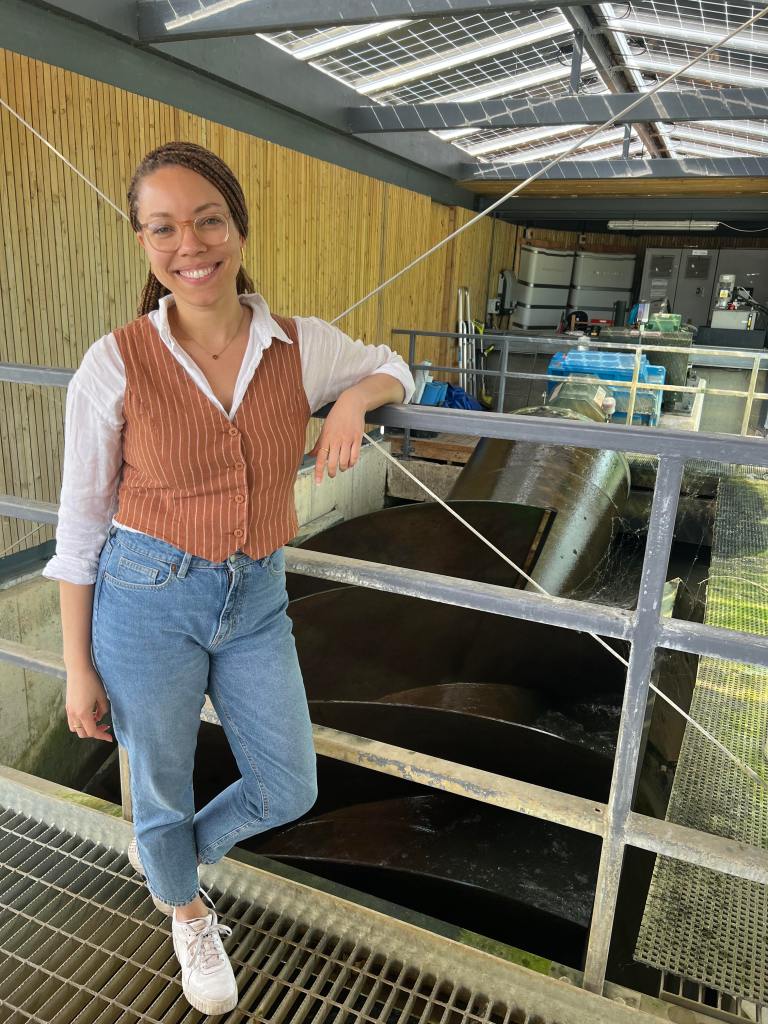
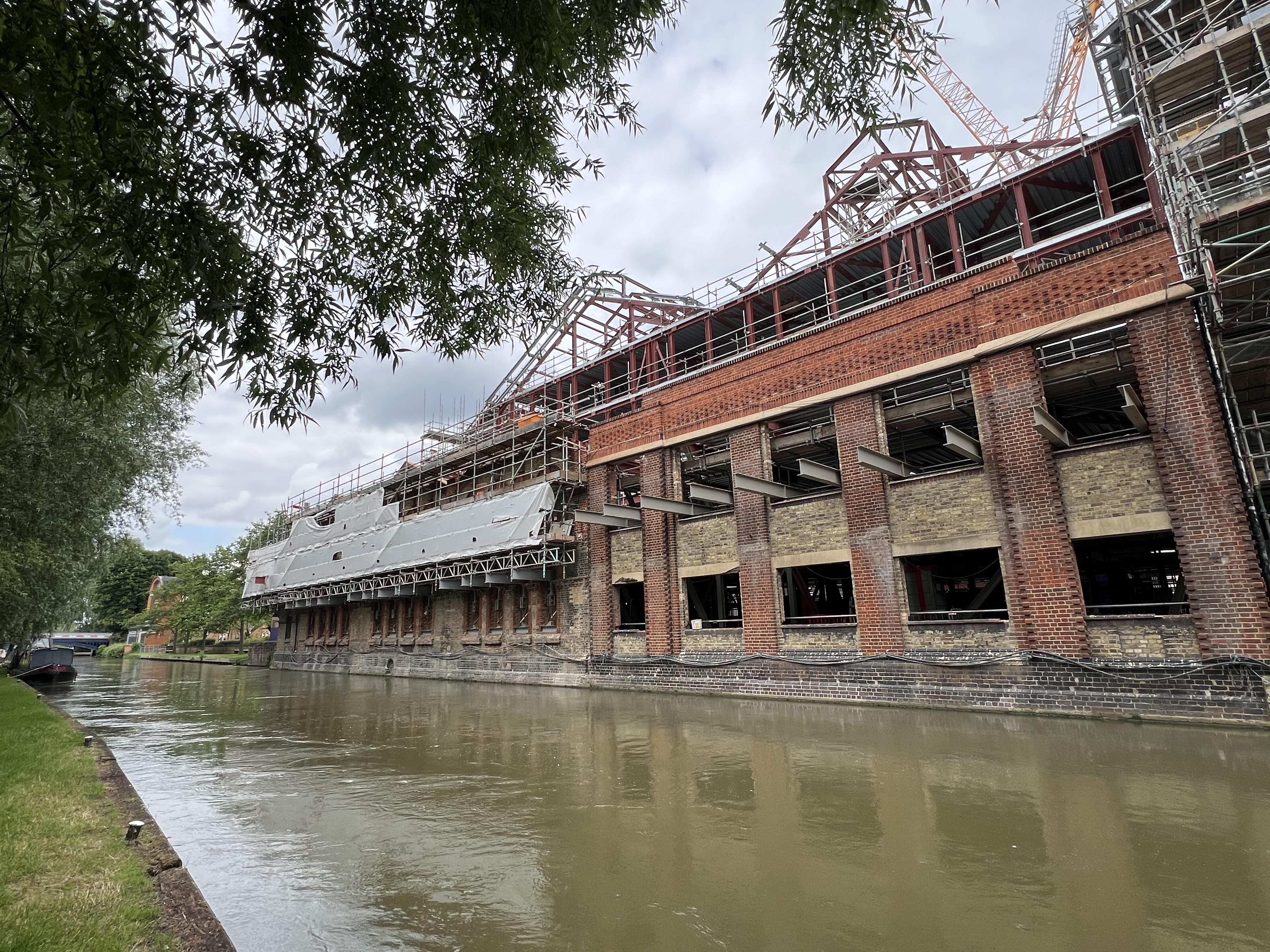
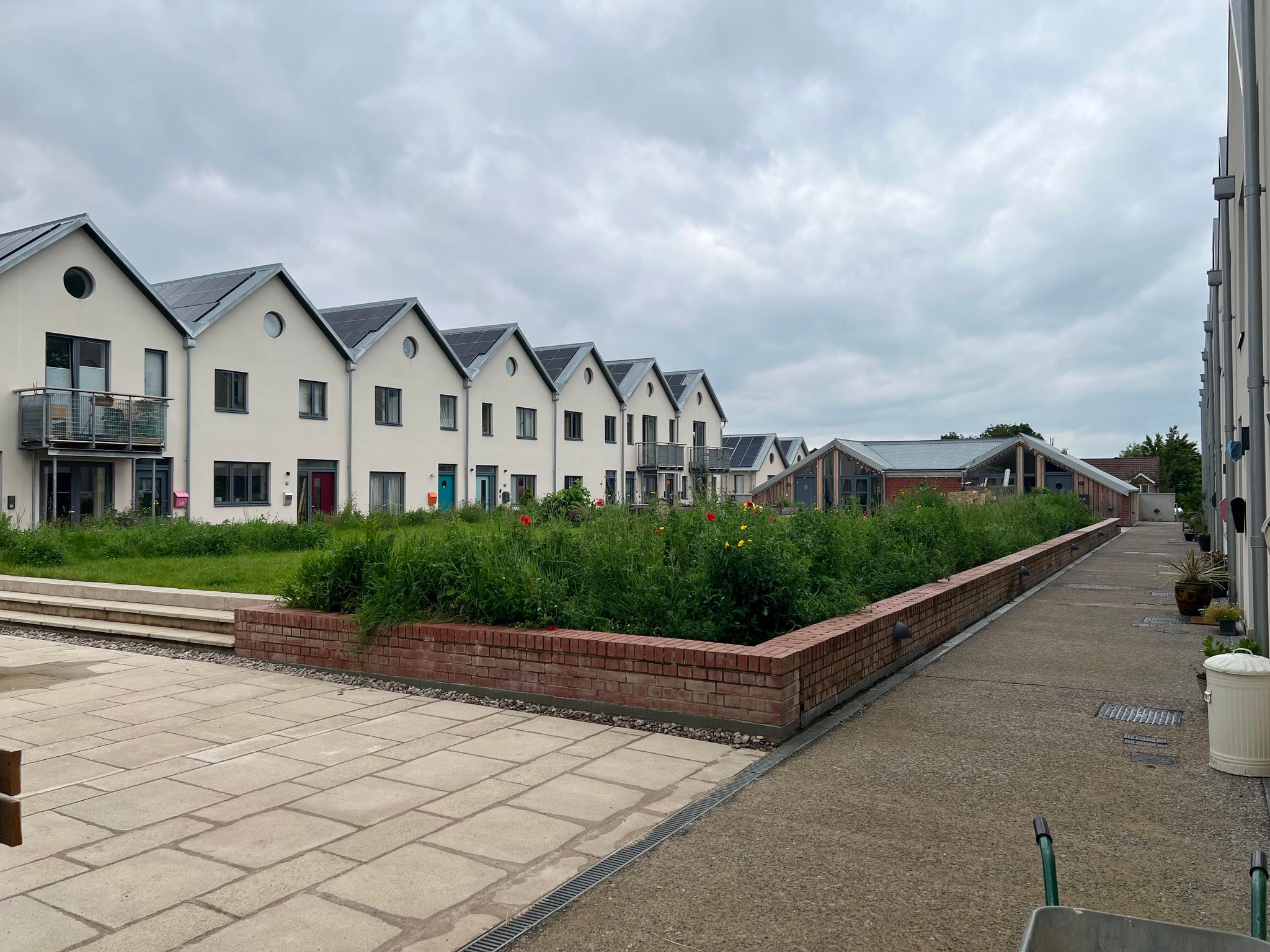
Images below (L to R): Finally sitting down with Cornwall based academic Rachel Bray, Bristol ‘s Electricity House (former local electricity board), touring a community-owned micro-hydroelectric plant in Oxford, Oxford’s first coal plant (decommissioned) just meters from the community hydro plant, and CEPRO’s Water Lilies microgrid developed with a new housing development in Bristol.
5 Key Reflections from Week 2
- Local governments in the South West have increasingly robust net zero plans that include clean energy and have leveraged national programme support to develop Local Area Energy Plans. While there’s varied degrees of capacity from one council to the next it is clear LGAs see the transition as an opportunity to capture and retain considerable benefit locally. LGAs with clear and designated resources and funding for sustainability and innovation are setting themselves up for success. Anecdotally, councils have reported exponential growth in these departments, giving them a first mover advantage while improving institutional resilience and adaptability to the transition.
- Varying degrees of planning and capacity building is occurring across the UK including communities of interest (like community energy groups), local councils, distribution network operators, transmission networks, and the national regulator. However, without bottom-up and top-down co-ordination of interests and resources, system constraints, local skills capacity, and benefit capture across regulation, networks, and communities are poised to fall through the cracks. The equivalent of AEMO’s ISP and state REZ planning appears absent in the UK with the elimination of feed in tariffs and a moratorium on onshore wind the consequences of that lack.
- As with Australia, legacy institutions are failing to recognise and design towards realising the full value stack on offer from localised energy projects. In doing so the transaction cost for local projects, under the current policy settings, is too high and opportunities for local access and benefits are being lost.
- Due to co-ordinated funding and policy for community energy projects prior to 2015, community energy groups with projects and sustainable governance developed in that period have been able to adapt to a non-feed in tariff based commercial model for new projects. Commercially savvy organisations with strong connection to community are considering crowd funding and other co-investment arrangements to develop new projects as community energy funding and feed in tariffs have dried up (for now). As resourcing has shifted in part to flexible local energy systems, the question remains how new community endeavours can buy in.
- There are, SO. MANY. Community energy projects across the UK! Five weeks of interviews will barely scratch the surface.
Recommended Reading for the Week
Low Carbon Hub’s resources from Project LEO, an innovative local smart and flexible energy systems trial across Oxfordshire.
Where to Next?
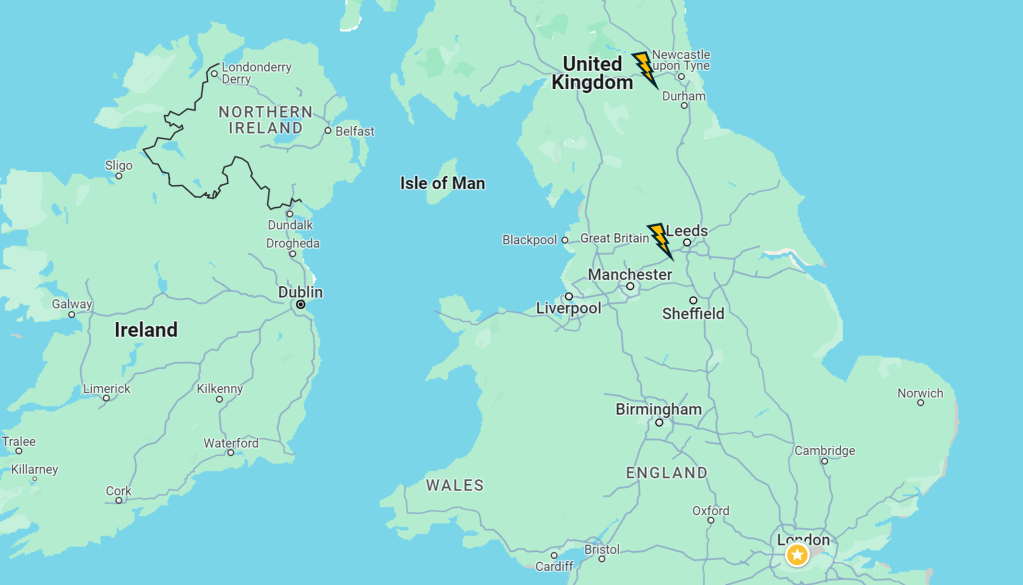
After an incredibly busy week of interviews, Week 3 will be slightly quieter as I start the journey north, stopping in Leeds and Newcastle.


 Power Exchange
Leave a comment